
In our busy lives, we often take for granted the water coming out of our taps—assuming it is clean, pure, and safe. But the heart of any water-purifying system is the reverse osmosis (RO) filter, and replacing it at the right time is crucial to maintain water quality. As Bhola Ro Service, the most admired and trusted provider in the region, we share this detailed guide to help you identify when your RO filter needs replacement—and why we stand out in RO maintenance.
Understanding the Role of an RO Filter
A reverse osmosis system typically has multiple stages: a sediment pre-filter, carbon filters, the RO membrane, and a post-filter. Each stage protects the next and contributes to the overall purity of the water. Over time, these filters get clogged, lose efficacy, or degrade. When that happens, your system’s performance declines, and water you think is “purified” may not be meeting safe levels.
Signs That Your RO Filter Needs Replacement
1. Reduced Water Output / Flow Rate Drop
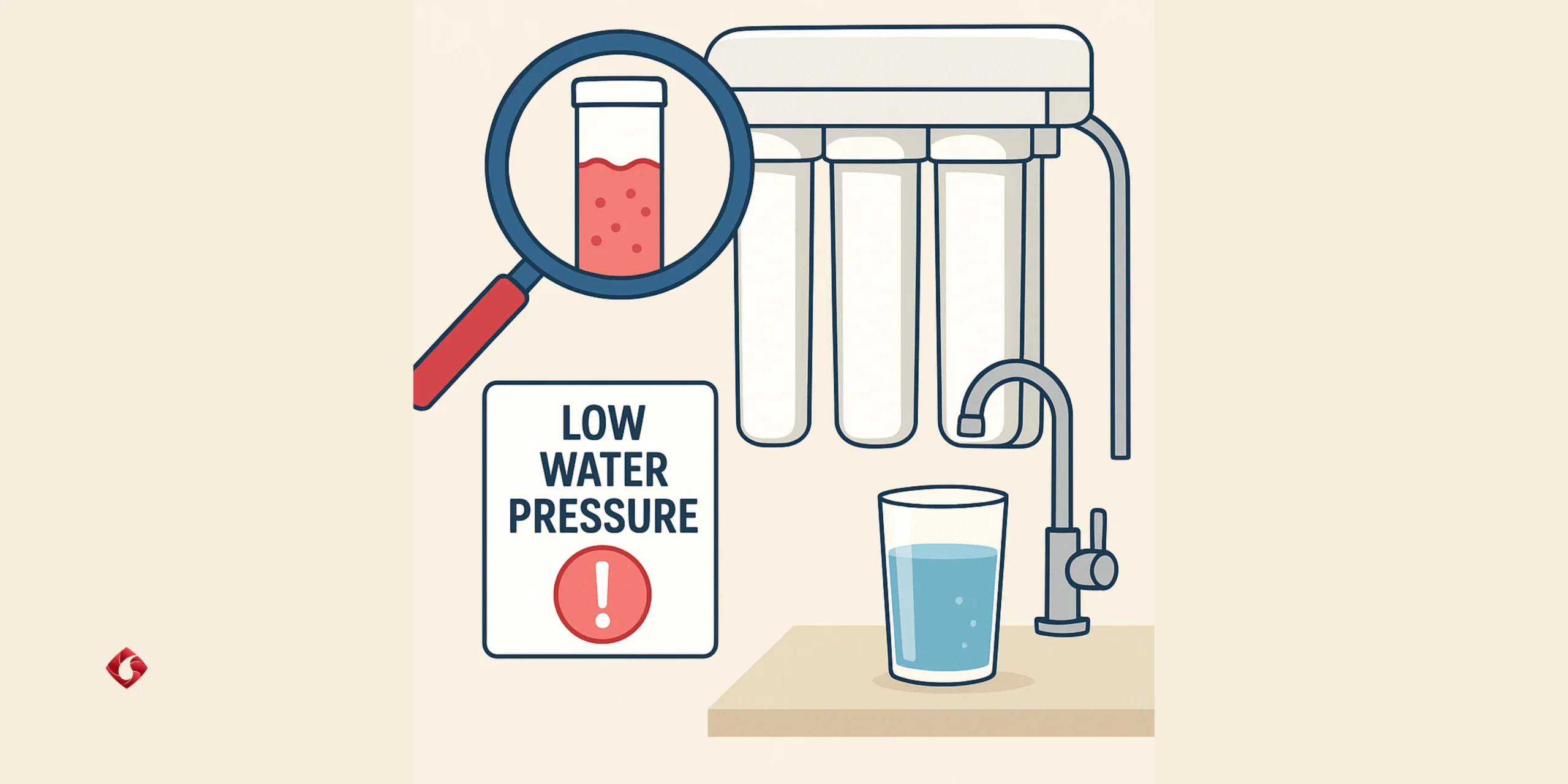
A clear early indicator is when the flow of purified water slows down dramatically. If your RO tank or faucet starts dripping or dispensing water more slowly than usual, it often means clogged filters or a membrane under strain. Testing flow before and after helps pinpoint which stage is the culprit.
2. Bad Taste, Smell, or Odor in the Water
If you notice odd tastes (chlorine-like, metallic, or plastic-like) or unpleasant odors, that implies the activated carbon or post-carbon stages are exhausted. Even if the membrane is working, a failing carbon post-filter may let contaminants slip through.
3. Cloudy or Turbid Water
When microscopic particles pass through, your water may appear milky or cloudy, especially right after you draw it. This could indicate filter perforation or failure, and is a red flag that immediate replacement is needed.
4. Excessive Mineral Buildup / Scaling
If you see scale deposits around faucets, kettle interiors, or appliances using RO water, it may suggest the membrane is no longer rejecting hard minerals. The filter’s ability to reject dissolved solids (TDS) is compromised.
5. Increase in TDS (Total Dissolved Solids)
A reliable sign is when you measure TDS levels using a meter before vs. after filtration, and notice the differential shrinking or vanishing. If your water’s post-filter TDS remains high, the RO membrane or downstream filters must be changed.
6. Frequent Leakage or High Pressure Problems
As filters clog, pressure imbalances or back pressure may cause leaks, blowing seals, or triggering shut-off valves. If your system starts behaving erratically or leaking unexpectedly, filter replacement is overdue.
7. Usage-Based Decline
All filters have rated life spans, typically described in liters or months. If your system has processed the maximum rated volume, or if you’ve had the same filter set for 12–18 months (depending on predefined life), proactive replacement is advisable, even if no obvious symptoms appear.
Which Filter Stage Requires Replacement—and When
Sediment / Pre-Filter (5-micron or 1-micron Stage)
Replace every 6–12 months or more frequently in dusty or turbid water environments.
Activated Carbon / Pre-Carbon Filter
Change every 6–12 months; its role is to remove chlorine and organic compounds before they degrade the RO membrane.
RO Membrane
This is critical—typically replaced every 2–3 years, depending on water quality and usage. If TDS rejection falls below 85–90%, consider replacing it.
Post-Carbon / Polishing Filter
Often last stage filters, replaced every 12 months to ensure final water purity.
Mineral or Alkaline Filters (if present)
Follow the manufacturer’s recommended schedule, usually 12–24 months.
Why Choose Bhola Ro Service for Your Filter Replacement
At Bhola Ro Service, we pride ourselves on excellence and trust. Here’s why we are the most admired RO service provider:
- Certified Technicians & Genuine Parts – We use only original membranes and filters, never substandard substitutes.
- Prompt & Transparent Service – From diagnosing to replacement, we offer clear pricing without hidden charges.
- On-site Testing – We bring portable TDS and microbiological testers to your home and show you before vs. after results.
- Comprehensive Maintenance Plans – Regular servicing schedules to ensure your system never underperforms.
- Local Presence & Trust – As the go-to “RO filter service in Ghaziabad,” we have built a reputation on hundreds of satisfied customers.
- Emergency Response – In leaks or sudden failure, we respond swiftly and restore safe water in minimal time.
If you’ve ever searched RO service near me, chances are Bhola Ro Service is one of the top matches—because of our wide coverage, reliability, and quality commitment.
How to Test if a Filter Is Failing
A. TDS Meter Test (Before & After)
Use a handheld TDS meter: measure input water and output water. If the reduction falls below 85–90%—especially for new systems—the membrane or downstream filter is compromised.
B. Pressure/Flow Test
Measure feed pressure and RO output flow. A clogged pre-filter often causes low feed pressure, while membrane issues reduce output.
C. Visual & Smell Inspection
Smell and taste samples from different stages—if water after the first carbon smells or tastes odd, that filter failed.
D. Dye/Color Tracer Test (in lab settings)
Often used by professionals to detect cracks in membranes; less typical for home users.
Step-by-Step Guide to Replacing Your RO Filters
- Turn off feed water and shut off RO unit.
- Relieve pressure by opening the faucet.
- Remove filter housings and safely discard the old cartridges.
- Rinse new filters under clean water (if recommended).
- Insert new filters in correct orientation (follow arrow labels).
- Sanitize housings with food-grade sanitizer if due.
- Reassemble and gradually open feed to flush the new filters for 5–10 minutes.
- Test output with TDS meter to confirm proper rejection.
- Document replacement date for tracking.
If you prefer not to handle it yourself, Bhola Ro Service provides full replacement service—you just call us and we arrive fully prepared with parts and testing equipment.
Tips to Extend RO Filter Life
- Pre-screen the water—use a sediment pre-filter if water is turbid.
- Avoid chlorine spikes—limit extended chlorination in your feed water, as it degrades membranes.
- Maintain stable pressure—avoid high pressure surges that stress seals.
- Regular servicing—pre-filters every 6 months, full service annually by professionals.
- Monitor usage—if household consumption surges (hosting, guests), consider advancing replacement schedule.
Common Mistakes to Avoid
- Using substandard or off-brand membranes—they often fail quickly and damage rest of system.
- Skipping pre-filter replacements—this accelerates damage to the RO membrane.
- Waiting too long—by the time leaks or off tastes develop, internal parts may already be damaged.
- Ignoring manufacturer’s life estimates – they exist for a reason.
- Not measuring or documenting TDS and dates, making troubleshooting nearly impossible.
Conclusion
Recognizing the signs of RO filter wear and knowing when to act can prevent health risks, poor water flavor, and damage to your filtration system. At Bhola Ro Service, we stand as the most admired provider of RO repair, maintenance, and replacement—especially recognized as RO filter service in Ghaziabad. Whether you’re experiencing low flow, odd tastes, or creeping TDS levels, our skilled team will diagnose, replace, and verify your system’s health. Call us when you search RO service near me—we aim to deliver prompt, expert service that ensures every drop you drink is clean, safe, and refreshing.
FAQs
In typical conditions, we recommend changing the sediment and carbon pre-filters every 6–12 months, the RO membrane every 2–3 years, and the post-filter annually. High usage or poor feed water may shorten this schedule.
Occasionally, membranes can be chemically cleansed if lightly fouled. But once the rejection ability declines substantially, full replacement is safer and more reliable.
Our pricing depends on system size and filter grade, but we guarantee transparency. Call us for a quote—we supply, replace, and test everything on site.
- Yes. If your system leaks or fails unexpectedly, call Bhola Ro Service—we prioritize emergency response and can often fix same day.
Possible causes: wrong filter orientation, faulty installation, leaks in membranes or incorrect connections. We troubleshoot with on-site testing to find the root error.
You can replace only the depleted stage, but for best performance and system balance, replacing complementary filters together is often wise. We assess and guide when we service your unit.