
Access to clean and safe drinking water is one of the most important requirements for every household and business. With increasing levels of water contamination, selecting the right water purification technology has become more important than ever. The three most popular purification technologies available today are RO (Reverse Osmosis), UV (Ultraviolet), and UF (Ultrafiltration). Each technology is designed for specific water conditions and offers unique advantages.
At Bhola RO Service, we believe that choosing the correct water purifier should be based on your water quality, purification requirements, maintenance preferences, and long-term health benefits. Our experienced technicians help customers select, install, maintain, and repair water purifiers for all major brands, making Bhola RO Service one of the most admired names in professional water purification solutions.
Understanding Water Purification Technologies
Modern water purification systems are designed to remove impurities, harmful microorganisms, dissolved salts, chemicals, and unpleasant odors. However, every technology works differently.
The three major purification methods include:
- Reverse Osmosis (RO)
- Ultraviolet Purification (UV)
- Ultrafiltration (UF)
Understanding how each system works helps you make an informed purchasing decision.
What is RO Water Purification?
Reverse Osmosis (RO) is one of the most advanced water purification technologies available today. It uses a semi-permeable membrane that filters dissolved salts, heavy metals, chemicals, bacteria, viruses, and harmful contaminants.
How RO Works
Water passes through:
- Sediment filter
- Carbon filter
- RO membrane
- Post carbon filter
- Mineral cartridge (optional)
Only purified water passes through the membrane while impurities are flushed away.
Advantages of RO Water Purifiers
- Removes dissolved salts
- Eliminates heavy metals
- Removes pesticides and chemicals
- Filters bacteria and viruses
- Improves taste and odor
- Suitable for high TDS water
Disadvantages
- Produces wastewater
- Requires electricity
- Needs regular maintenance
- Membrane replacement after prolonged usage
What is UV Water Purification?
UV purification uses ultraviolet light to destroy harmful microorganisms without changing the mineral composition of water.
The UV chamber contains a specialized lamp that emits ultraviolet rays. As water passes through, bacteria and viruses become inactive and cannot reproduce.
Advantages of UV Water Purifiers
- Kills bacteria
- Eliminates viruses
- Preserves natural minerals
- Fast purification process
- No wastewater generation
Disadvantages
- Does not remove dissolved salts
- Cannot remove heavy metals
- Ineffective against suspended particles
- Requires electricity
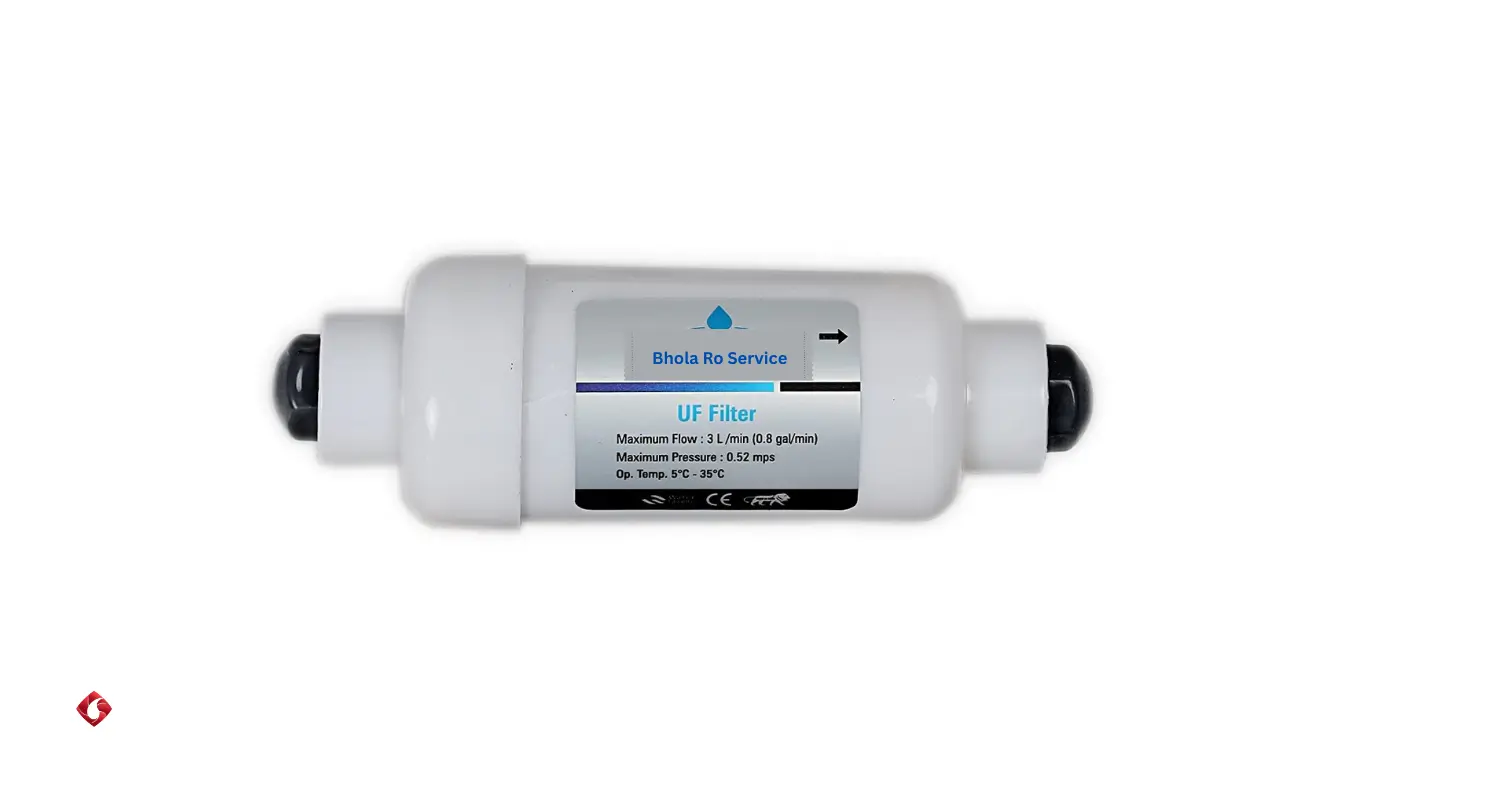
What is UF Water Purification?
Ultrafiltration (UF) uses a hollow fiber membrane to remove suspended particles, bacteria, and large microorganisms.
Unlike RO, UF does not remove dissolved salts.
Advantages of UF Purifiers
- Works without electricity
- Removes bacteria
- Removes sediments
- Low maintenance
- No water wastage
Disadvantages
- Cannot remove dissolved chemicals
- Ineffective for high TDS water
- Does not eliminate dissolved salts
RO vs UV vs UF – Complete Comparison
Feature | RO | UV | UF |
Removes Dissolved Salts | ✔ | ✘ | ✘ |
Removes Heavy Metals | ✔ | ✘ | ✘ |
Removes Bacteria | ✔ | ✔ | ✔ |
Removes Viruses | ✔ | ✔ | Limited |
Removes Suspended Particles | ✔ | ✘ | ✔ |
Works Without Electricity | ✘ | ✘ | ✔ |
Suitable for High TDS Water | ✔ | ✘ | ✘ |
Water Wastage | Yes | No | No |
Mineral Retention | Optional | Yes | Yes |
Maintenance Cost | Medium | Low | Low |
Which Water Purifier is Best for High TDS Water?
If your water contains high levels of dissolved salts, RO technology is the ideal solution.
RO systems effectively remove:
- Lead
- Mercury
- Arsenic
- Fluoride
- Nitrates
- Excess minerals
For borewell water and hard water, RO remains the preferred option.
Which Water Purifier is Best for Municipal Water?
Municipal water usually contains low TDS but may include harmful microorganisms.
In such cases:
- UV purifier works well.
- RO + UV combination offers extra protection.
- UF purifier is suitable where water quality is already relatively clean.
RO + UV + UF Combination Purifiers
Modern water purifiers combine multiple technologies for maximum protection.
These systems provide:
- Sediment filtration
- Carbon purification
- RO purification
- UV sterilization
- UF polishing
- Mineral enhancement
Such combinations ensure comprehensive purification while improving taste.
Benefits of Choosing the Right Water Purifier
Selecting the correct purifier offers multiple advantages:
- Better drinking water quality
- Improved taste
- Protection against waterborne diseases
- Longer appliance lifespan
- Reduced maintenance costs
- Healthier family
How to Select the Right Water Purifier
Before purchasing, consider:
Water Source
- Borewell
- Municipal supply
- Tanker water
TDS Level
- Below 200 ppm
- 200–500 ppm
- Above 500 ppm
Water Quality
Check for:
- Suspended particles
- Hardness
- Odor
- Chlorine
- Heavy metals
Professional water testing provides the most accurate recommendation.
Maintenance Tips for Water Purifiers
Proper maintenance ensures consistent performance.
Replace Filters Regularly
Sediment and carbon filters should be replaced periodically.
Clean the Storage Tank
Cleaning prevents bacterial growth.
Replace RO Membrane
Membrane replacement depends on water quality and usage.
UV Lamp Maintenance
UV lamps lose effectiveness over time and require timely replacement.
Annual Servicing
Professional servicing improves purifier efficiency and extends equipment life.
Signs Your Water Purifier Needs Service
Watch for these warning signs:
- Slow water flow
- Unpleasant taste
- Bad odor
- Leakage
- High noise
- Water not dispensing
- Continuous draining
- Indicator light warning
Ignoring these issues may reduce purification efficiency.
For customers searching Ro service near me, Bhola RO Service delivers reliable maintenance, installation, filter replacement, membrane replacement, and complete servicing for leading purifier brands.
Why Choose Bhola RO Service?
When it comes to dependable water purifier care, Bhola RO Service stands out through its commitment to quality workmanship, genuine spare parts, prompt support, and customer satisfaction.
Our services include:
- RO installation
- Annual Maintenance Contracts (AMC)
- Filter replacement
- RO membrane replacement
- UV lamp replacement
- Complete system diagnosis
- Leakage repair
- Pump replacement
- TDS adjustment
- Water quality inspection
Our experienced technicians are trained to handle all major water purifier brands efficiently while ensuring long-lasting performance.
Customers looking for Water purifier repair service in gaur city trust Bhola RO Service for professional support, transparent pricing, and timely doorstep assistance.
Common Mistakes to Avoid While Buying a Water Purifier
Avoid these common errors:
- Purchasing without checking water TDS
- Choosing RO for already low-TDS water unnecessarily
- Ignoring annual maintenance
- Delaying filter replacement
- Buying based only on price
- Overlooking after-sales service
Making an informed decision ensures better water quality and lower ownership costs.
Final Verdict: RO vs UV vs UF
There is no universal answer to which purifier is best because the ideal choice depends on your water quality.
- Choose RO for high TDS, borewell water, or chemically contaminated water.
- Choose UV for low-TDS municipal water requiring effective microorganism disinfection.
- Choose UF where electricity is unavailable and water has low dissolved impurities but may contain suspended particles.
For many households, a RO + UV + UF combination purifier provides the most comprehensive protection by addressing multiple types of contaminants simultaneously.
Whether you are installing a new purifier or maintaining an existing one, Bhola RO Service remains the trusted partner for expert guidance, professional servicing, genuine replacement parts, and dependable customer support. Our dedication to quality, technical expertise, and customer satisfaction has made Bhola RO Service one of the most admired names in water purification services.
Frequently Asked Questions (FAQs)
The best option depends on your water quality. RO is ideal for high-TDS water, UV is suitable for municipal water with low TDS, and UF works well for removing suspended impurities without electricity.
Although it is possible, professional replacement is recommended to avoid leaks, incorrect installation, and poor water quality.
Yes. Modern RO purifiers often include mineral enhancement technology that provides safe, clean, and pleasant-tasting drinking water.
- No. UV technology only disinfects water by inactivating bacteria and viruses. It does not remove dissolved salts or heavy metals.
UF effectively removes bacteria and larger microorganisms, but it may not remove all viruses. Combining UF with UV or RO offers better protection.
Replacement frequency depends on water quality and usage. Sediment and carbon filters typically require periodic replacement, while the RO membrane generally lasts longer with proper maintenance.
TDS (Total Dissolved Solids) measures the concentration of dissolved minerals, salts, and impurities in water and helps determine the appropriate purification technology.
Yes. RO systems generate wastewater during purification, although many modern models are designed to improve water recovery efficiency.
A UV purifier alone is usually not recommended for borewell water with high TDS. An RO or RO+UV system is generally a better choice.
Routine servicing ensures optimal purification, maintains water quality, extends purifier life, and helps prevent unexpected breakdowns.
Bhola RO Service offers skilled technicians, genuine spare parts, transparent pricing, timely doorstep support, and reliable maintenance solutions for all major water purifier brands, making it a trusted choice for quality water purifier care.